Skip to content
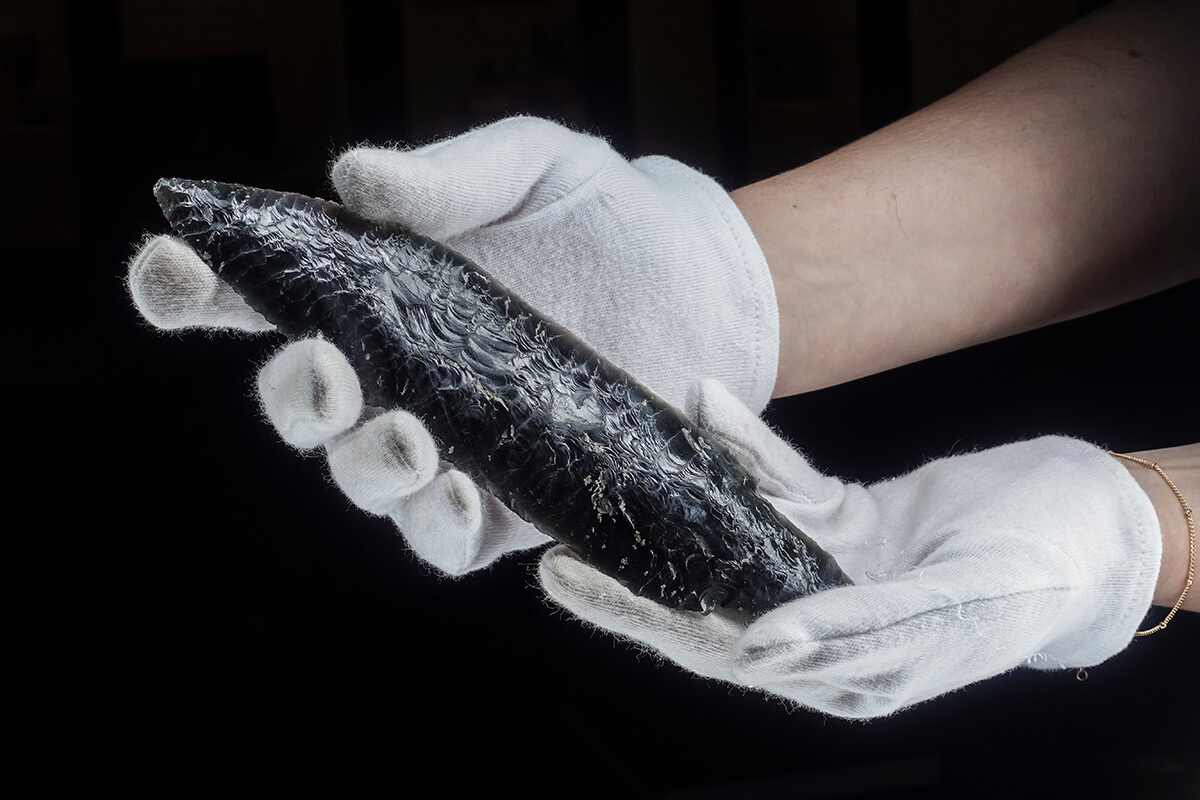
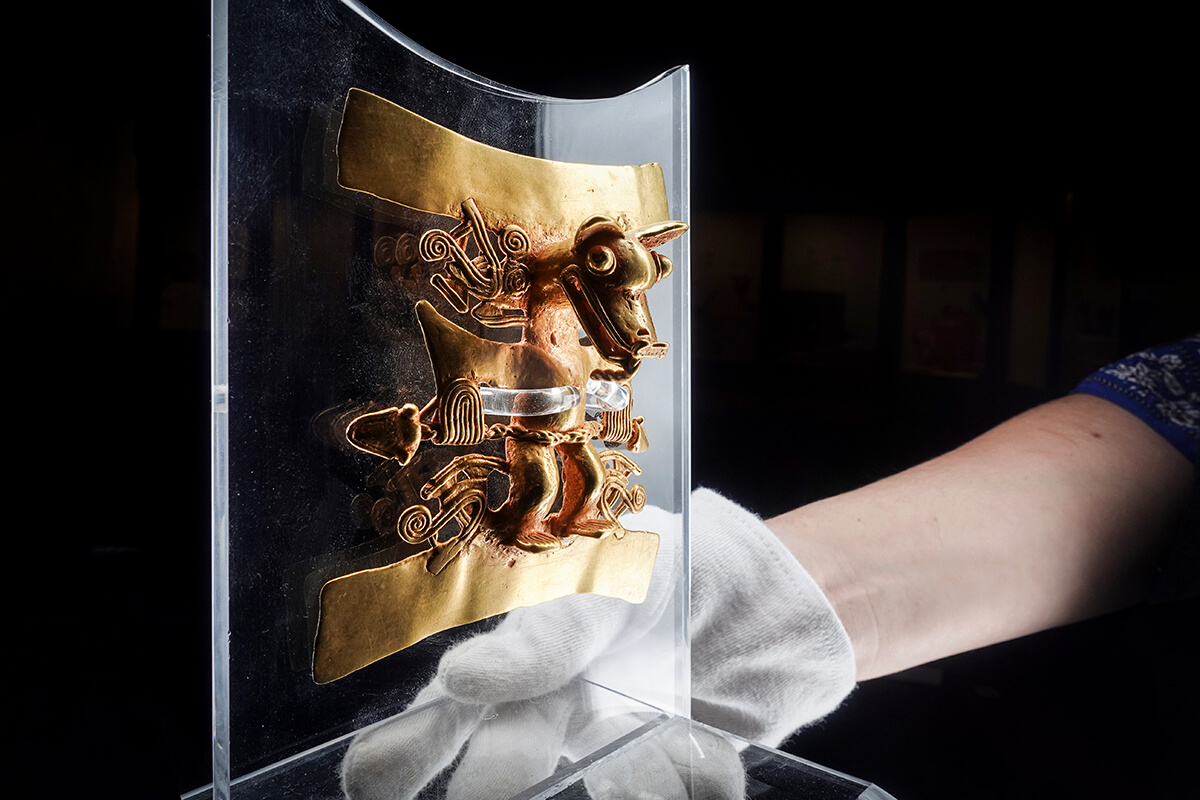
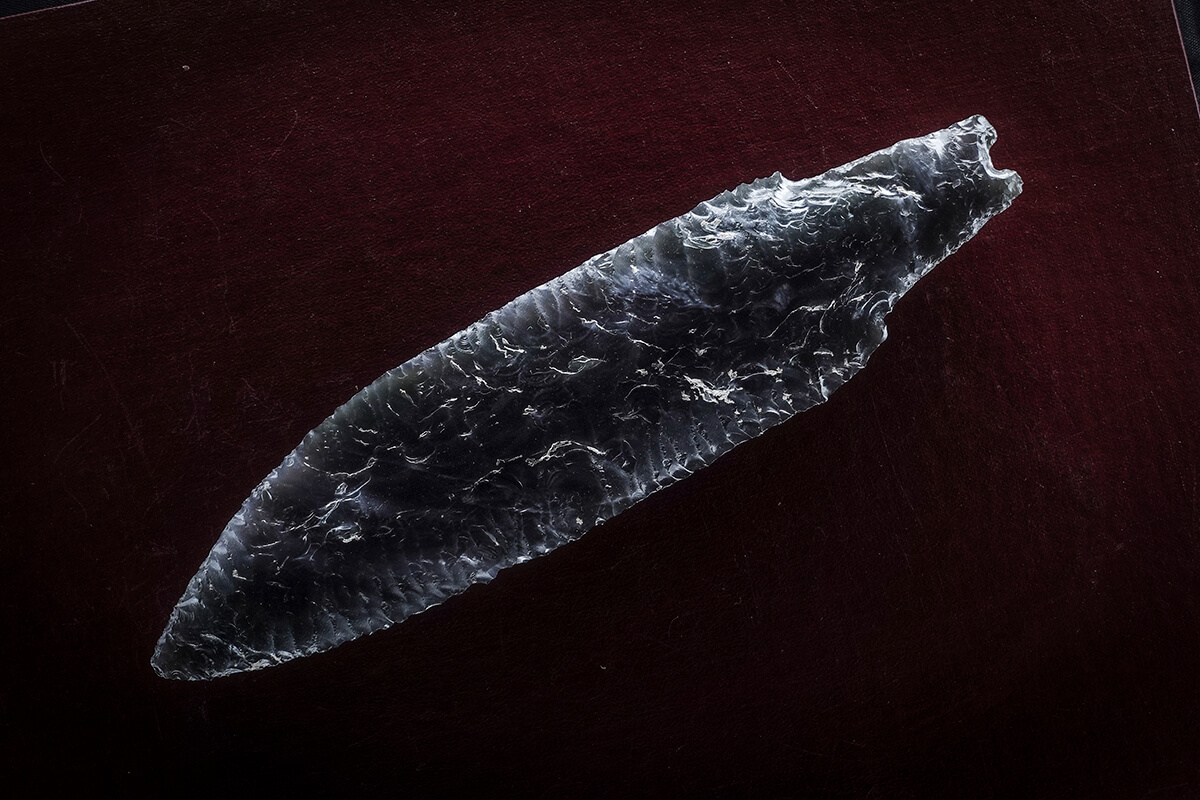
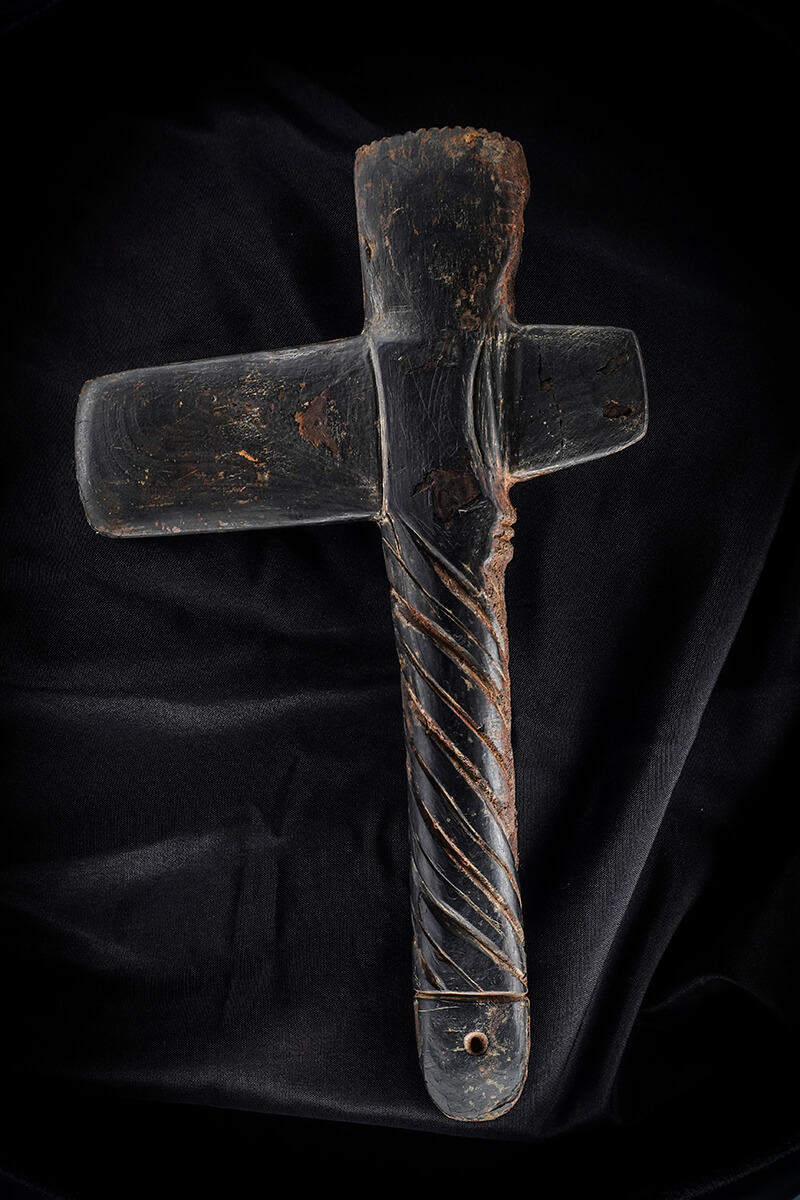
The Museum of Native American History in Bentonville, Arkansas, has been gathering stories since 2006, and more than 10,000 of them sit in its collection: slim cutting stones, solid gold figures, an obsidian spear point that a curator held up for us in a gloved hand. One cutting stone was found by someone out hunting rattlesnakes. That is what a museum photographer really does. Museum artifact photography is about recording that history in enough detail that someone a hundred years from now can study it, the same goal behind the Library of Congress’s preservation work.
We traveled light, with only the Halumin H18 and speedlights. The museum let us work with some of its unique pieces, and the setup took about three minutes.
Key Takeaways
- Preservation photography documents artifacts in detail for future study.
- At MONAH, the Halumin H18 ran on speedlights and was ready in about three minutes.
- The H18 stayed handheld while isolating artifacts on a black background.
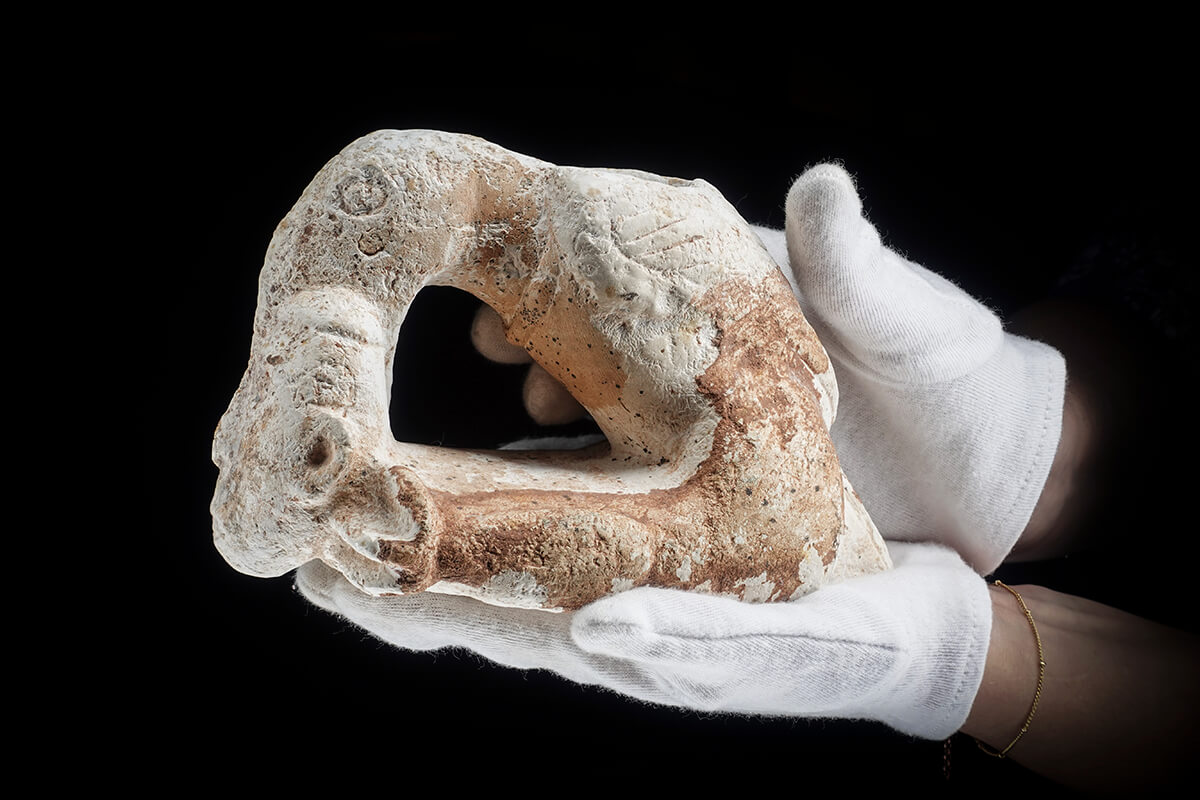
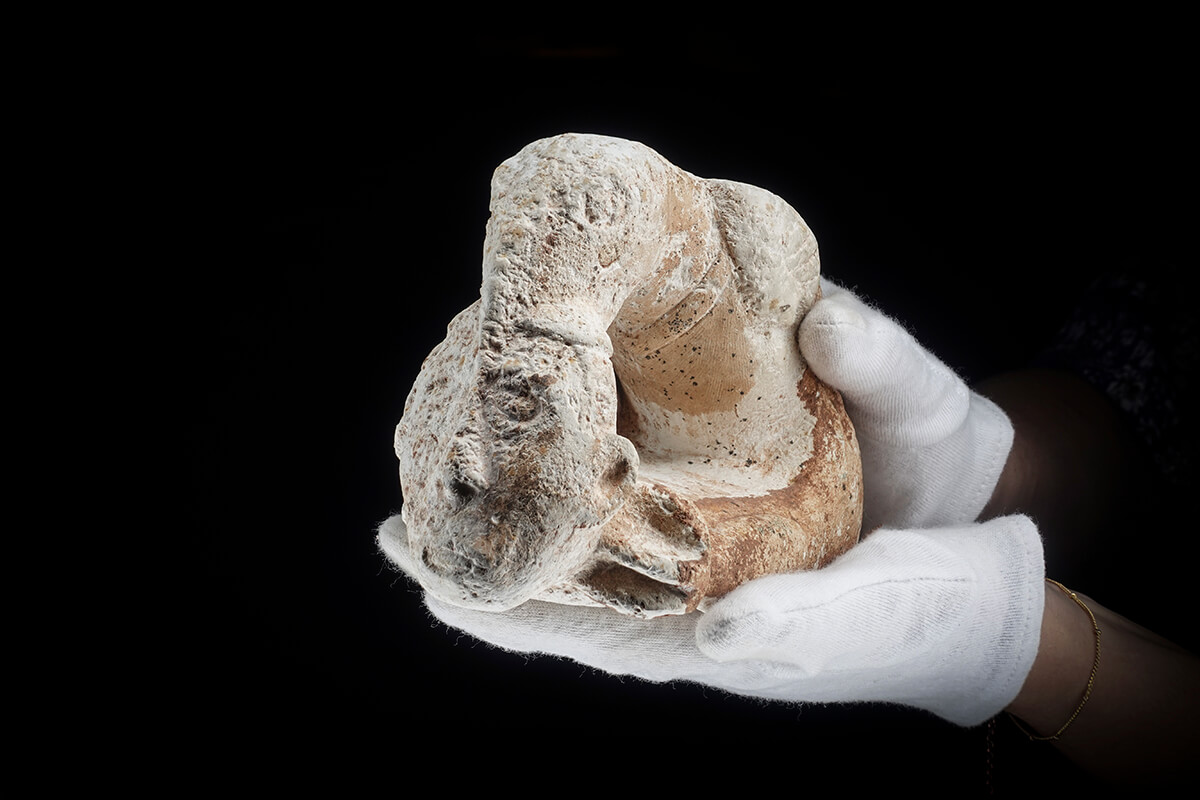
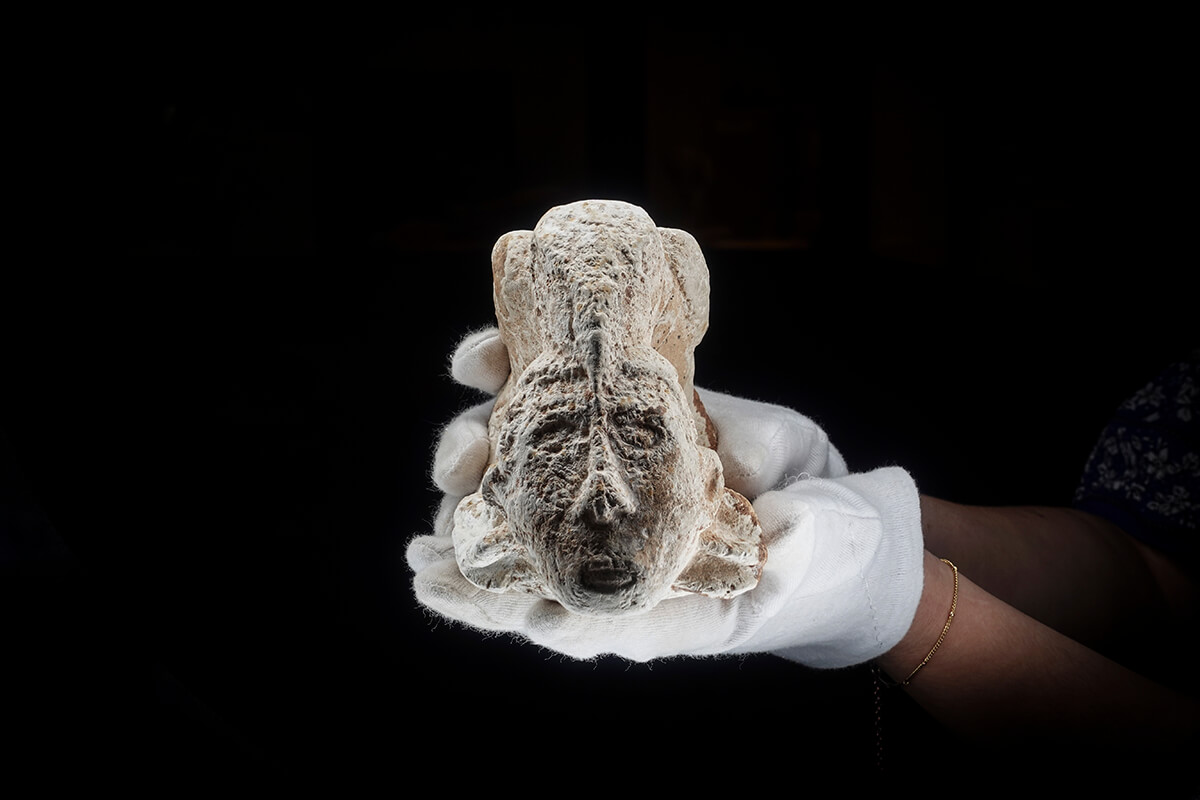
- Open Cylindrical™ Technology revealed details like the hidden face on a stone pipe.
- No bulky stands or multiple flashes were needed.
Watch the Preservation Photography Session at MONAH
The video follows the visit, the handheld setup and the artifacts as they were photographed.
What Does a Museum Photographer Do?
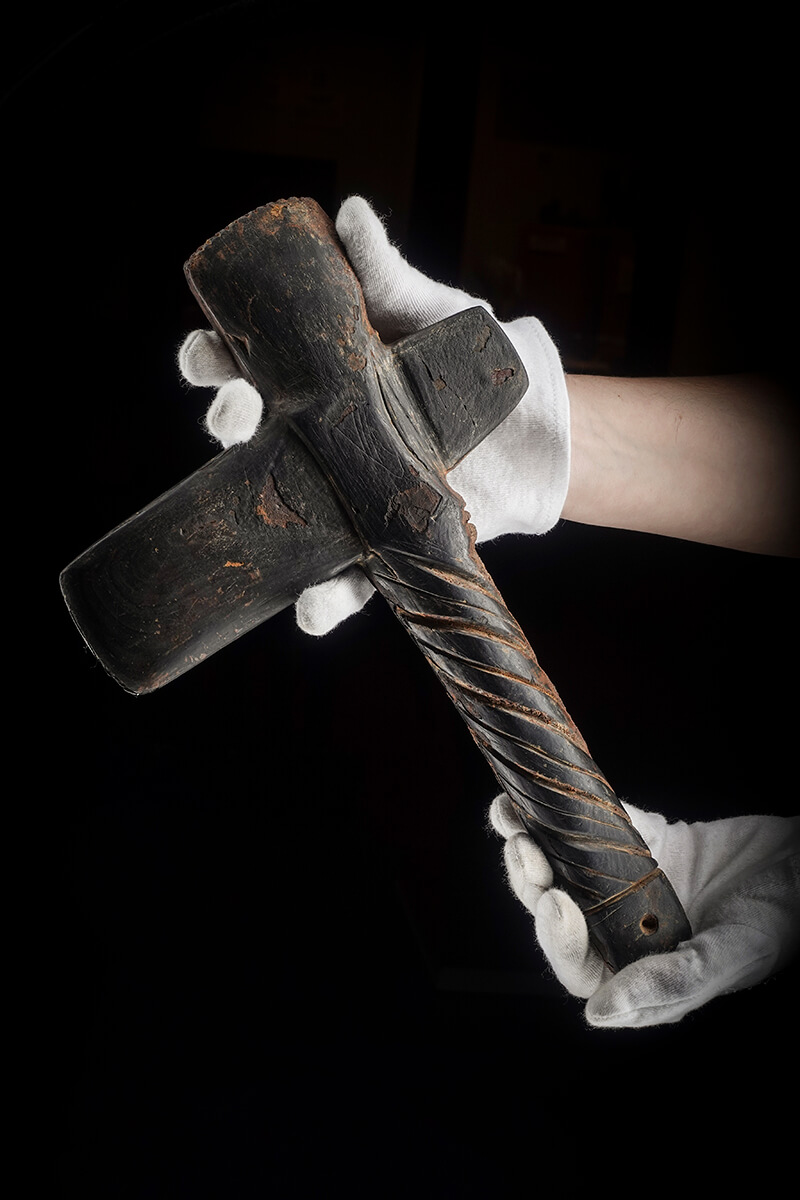
A museum photographer captures cultural artifacts so they can be studied, shared and preserved. It is less about pretty pictures and more about accurate documentation: shape, surface, tool marks and craftsmanship. That takes light that can be soft for an overall record and raking for texture, often in a collections room with little space.
How We Photographed the Artifacts
- Set up the H18. Unfold the lighting device and mount the speedlights. Setup took about three minutes.
- Go handheld. Hold the H18 so no stands are needed in the collections space.
- Isolate on black. Use the H18 to light the artifact while keeping the background dark.
- Change the angle. Shoot each object from the side and a 3/4 angle, as with the stone pipe.
- Look for hidden details. Move the artifact toward the camera for more texture. That is how the hidden face on the stone pipe appeared.
Soft Light or Texture: Lighting Artifacts
Move an artifact away from the camera inside the staging area and the lighting gets softer, which is good for an even record shot. Move it toward the camera and textures and carved details get more pronounced. Photographing coins, medals or other small collectables? The patent-pending Halumin-C is built for them. For more museum work, see Halumin for museums and collections.
Pro Tip
Handle artifacts with gloves and follow the museum’s own handling rules. Let the curator place and hold objects whenever possible.
The Halumin H18 Lighting Device
The Halumin H18 is a patented lighting device with Open Cylindrical™ Technology (U.S. Patent No. 12,181,778). Its 18 x 18 x 8 inch staging area fits small products, full plates of food and bottles, and it folds from 36 x 36 inches down to 15 x 15 x 8 inches and weighs about 4 pounds. Move your subject away from the camera and the lighting gets softer; move it toward the camera and textures get more pronounced; bring it forward of the staging area and you get seamless rim lighting. Fold sections of the light control rings outward wherever you want more output.
The H18 runs on one or two speedlights mounted directly on its legs, or on studio strobes and continuous LEDs through the Studio Lighting Adapter. Use speedlights of 80Ws or more, studio strobes up to 500Ws, and LEDs no brighter than about 120 W to prevent heat damage.
Recommended for this shoot: Halumin H18 Studio Set: H18 + Studio Lighting Adapter ($599). Museums usually shoot in collection rooms with studio strobes or LEDs as well as speedlights; the Studio Lighting Adapter in the Studio Set covers all of them.
Gear for Museum and Artifact Photography
Simple supplies that help in a collections room. Always check with the museum before using anything on an object.
Handy Gear for This Kind of Shoot
- Nitrile gloves for handling artifacts (follow the museum’s own handling rules): SHOWA 7500PF Nitrile Disposable Gloves
- Tripod with ball head for repeatable documentation angles: Manfrotto Element MII Aluminium Travel Tripod with Ball Head
- Dust blower to clear display cases, mounts and lenses without touching them: WOLFBOX MF100 Electric Air Duster
- Microfiber cloths for cleaning display cases and lenses, never the artifact: MagicFiber Microfiber Cleaning Cloths (6-pack)
As an Amazon Associate I earn from qualifying purchases.
Frequently Asked Questions
What Does a Museum Photographer Do?
They photograph artifacts and collections for documentation, research, preservation and sharing, recording detail accurately for future study.
What Is Preservation Photography?
The careful photographic documentation of cultural artifacts so future generations can study and appreciate them.
What Lighting Is Best for Museum Artifact Photography?
Light you can switch between soft and textured. In the H18, moving an object away from the camera softens the light and moving it closer brings out texture.
Can You Photograph Artifacts Without Studio Stands?
Yes. At MONAH the H18 was handheld and powered by speedlights.
Where Was This Shoot?
At the Museum of Native American History in Bentonville, Arkansas, founded in 2006, with more than 10,000 Native American artifacts.
Capturing History One Artifact at a Time
Three minutes of setup, a handheld H18 and speedlights were enough for museum artifact photography at MONAH, from obsidian spear points to a stone pipe with a hidden face. A big thank-you to the Museum of Native American History for letting us work with its collection.
Keep going: