Skip to content
If you’re choosing coin and small-item lighting, you’ve probably narrowed it to four options: a dedicated lighting device like the Halumin-C, a DIY axial setup, a ring lighting device or a light tent. Ring lighting devices and light tents are popular for a good reason: they’re inexpensive and easy, so you set the item down and shoot. If the lowest price is your only goal, they’re a reasonable buy. But if you’re searching “Halumin-C vs ring light” because you want better-quality images with that same ease of use, the Halumin-C (for coins) and the patented Halumin H18 (for products and collectibles) were designed to give you the same set-it-and-shoot experience while adding control over the lighting and its effect on the item: direction, softness, reflections and contrast. Halumin lighting devices also give you fast, consistent and repeatable results, so every item in a batch looks like it belongs together. Here’s a fair, side-by-side comparison, with who each option is best for.
Quick Answer
For coins, especially proofs, toned coins and slabs, the Halumin-C is the most complete option because it combines axial, tone and Open Cylindrical™ lighting in one enclosed lighting device. For products like watches, bottles and sneakers, the patented H18 uses Open Cylindrical lighting with a variable contrast effect: where you place the item in the staging area makes the contrast softer or more dramatic. Both can replace a light tent with the same easy, set-it-and-shoot workflow, plus control those options don’t offer. To replace a ring lighting device, use the Halumin-C for coins and small objects about 3.5″ or smaller, and the H18 for faces and larger products. A DIY axial setup is the best low-cost choice for tinkerers, and ring lighting devices and light tents are fine if the lowest price is all that matters.
How Do These Four Options Compare?
| Halumin-C | DIY axial setup | Ring lighting device | Light tent | |
|---|---|---|---|---|
| Lighting type | Axial plus Tone Light plus Open Cylindrical halo (4 sliders) | Axial (lamp plus glass at 45°) | Ring of LEDs around the lens | Diffused lighting through fabric walls |
| Proof and mirror fields | Bright fields from axial; adjustable | Bright fields when aligned | Ring reflection in the field | Fields reflect tent walls |
| Luster and toning | Tone Light and halo shape luster and color | Needs added angled lighting | Often flattened | Often softened |
| Slabs | Slab Pedestal included; lid blocks room reflections | Possible; glass adds reflections to manage | Ring glare on the holder | Soft, but holder reflects walls |
| Room lighting | Lid on: shoot in any room | Usually needs a dim room | Usually needs a dim room | Partly enclosed |
| Ease of use | Set it and shoot, like a tent or ring | Build, align, clean the glass | Set it and shoot | Set it and shoot |
| Control over direction, softness and reflections | Yes: adjustable sliders (for products, the H18 adds variable contrast: softer or more dramatic, set by where the item sits in the staging area, plus side-to-side gradients or color fades by adjusting the lighting sources for each hemisphere) | Partial; depends on your build | Limited: fixed, straight-on | Limited: fixed, all-around diffusion |
| Can replace a ring lighting device or light tent? | Yes, with more control: the ring lighting device for coins and small objects about 3.5″ or smaller (the H18 for faces and larger products); the light tent for coins | Partly, for proofs | — | — |
| Fast, consistent, repeatable results | Yes: numbered slider steps let you repeat a look in seconds | Depends on your build and alignment | Fast and simple, but one fixed look | Fast and simple, but one fixed look |
| Cost | Pre-order pricing on the Halumin-C page | Low (parts you may own) | Low | Low |
| Best for | Collectors, dealers and sellers who want better, true-to-life coin photos with the same ease | DIY-minded collectors on a budget | Lowest-cost quick shots | Lowest-cost matte product basics |
Who Is the Halumin-C Best For?
The Halumin-C is best for collectors, dealers, eBay and Whatnot sellers, and streamers who shoot coins often and want the same result every time. It gets the optimal coin image in camera in a single shot, so you only make basic color and contrast tweaks afterward.
- Axial lighting built in, plus a Tone Light and a two-part Open Cylindrical halo (four sliders in total).
- Lid on blocks room lighting, so you can shoot in any room; lid off lets you move the camera for angled shots and video (dimming the room helps).
- Works with your phone or camera: smartphones, digital cameras, copy stands and coin microscopes. No apps, no downloads, no subscriptions, no AI.
- Patent pending.
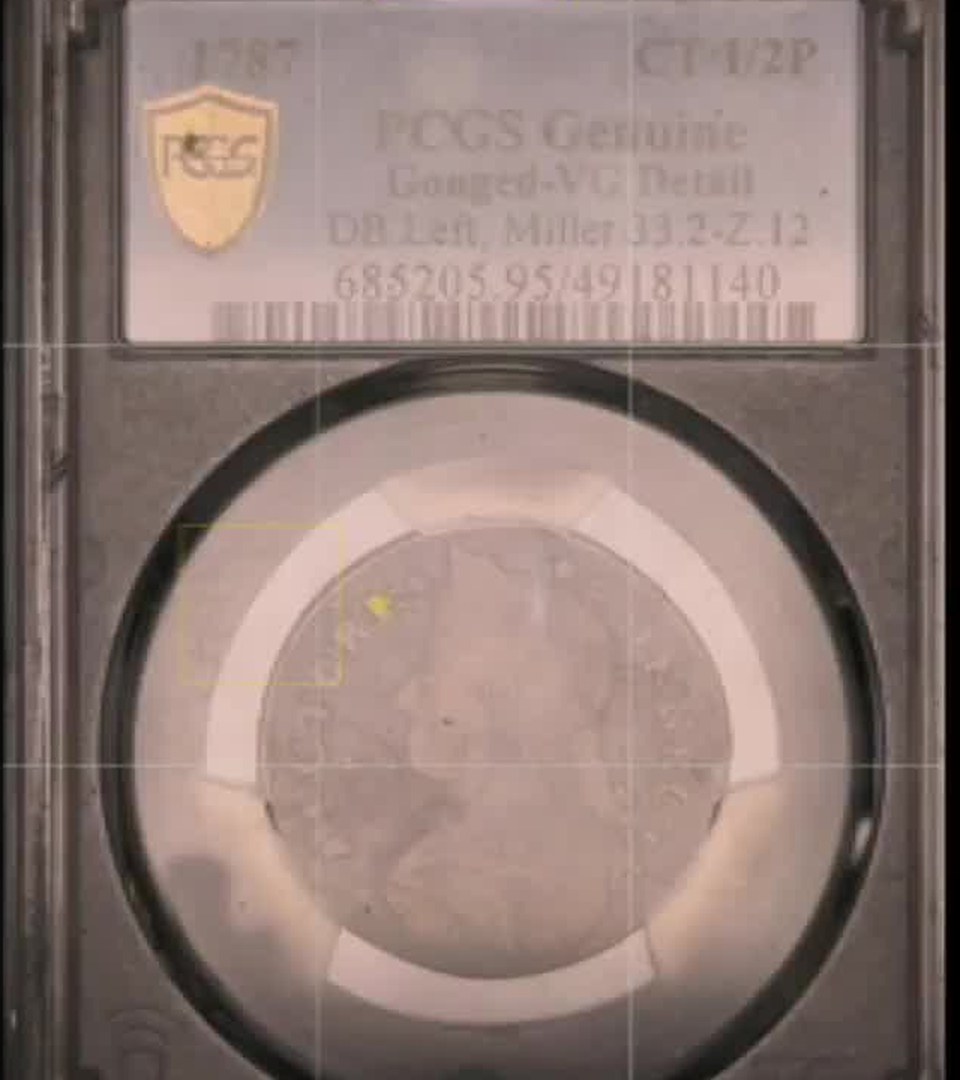
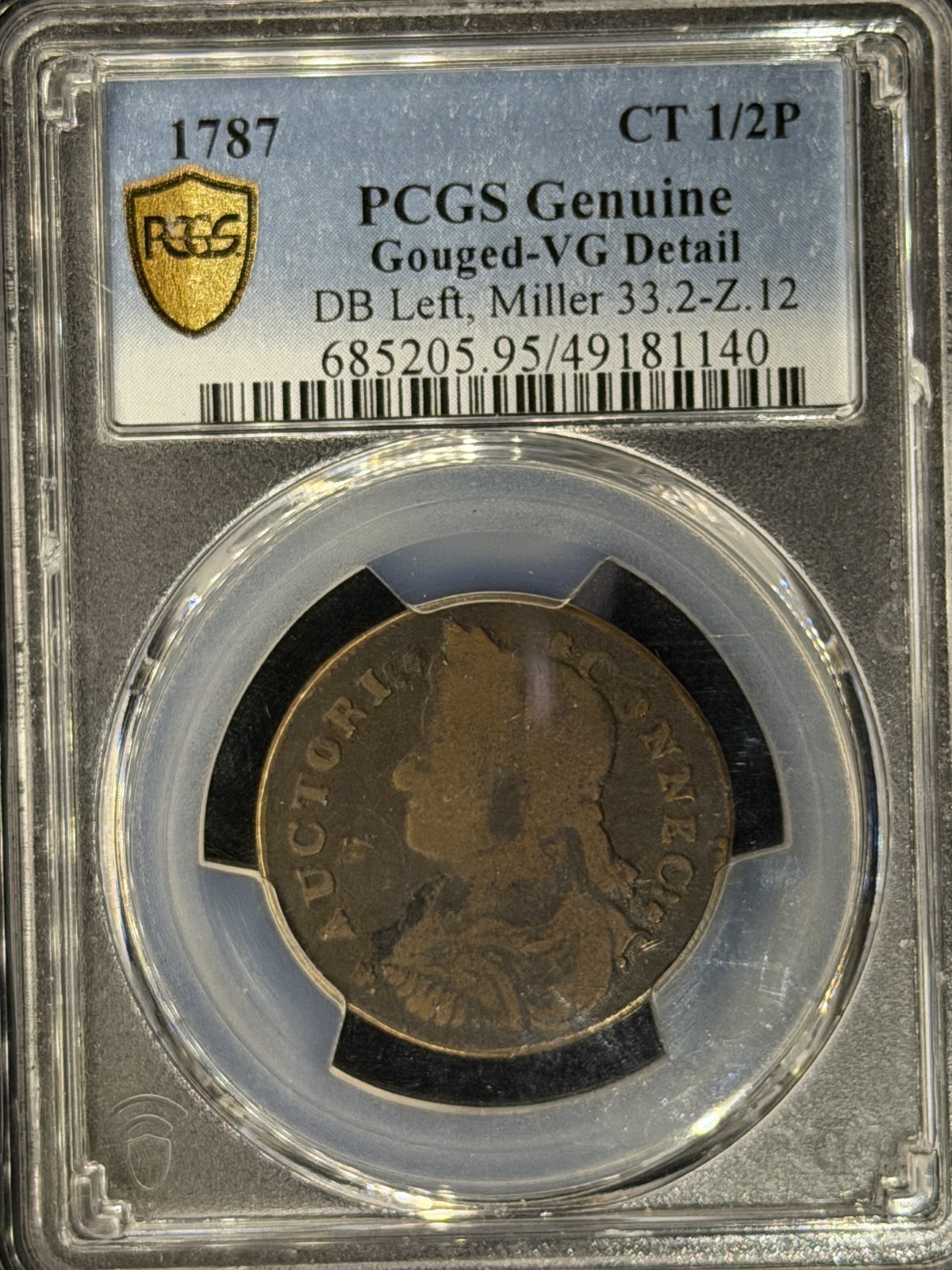
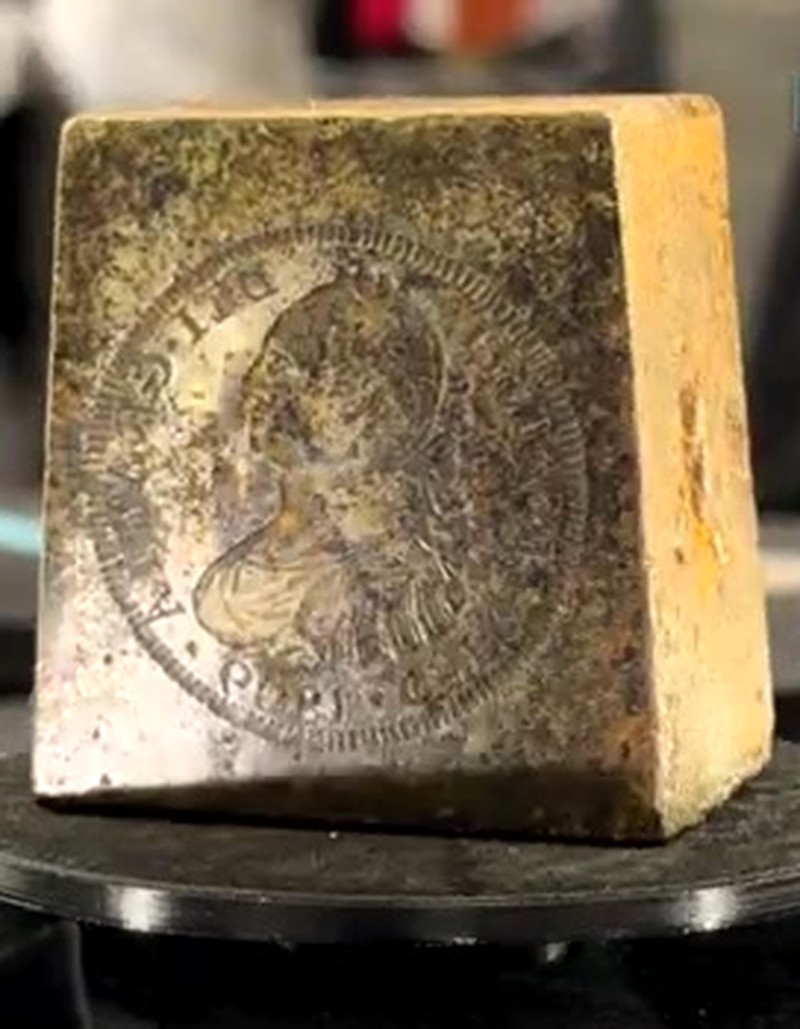
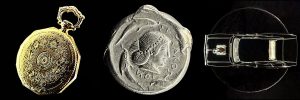
Who Should Build a DIY Axial Setup?
A DIY axial setup suits collectors who enjoy building gear. A lamp shines onto clean glass at 45 degrees, which reflects light straight down the lens axis onto the coin. The specular reflection from a mirror field then bounces back into the lens, so proof fields turn bright. The trade-offs: alignment takes patience, the glass collects dust and adds its own reflections, and you’ll usually add an angled lamp for relief. Our axial lighting guide explains the technique.
When Does a Ring Lighting Device Make Sense?
A ring lighting device is cheap, fast and fine for everyday small products, quick reference shots and video calls. If the lowest price is your only goal, it’s a reasonable choice. Its limit is control: the lighting always comes from one fixed ring straight on, so on coins it tends to flatten luster and shows up as a circle in mirror fields, and on shiny products it leaves the same ring-shaped reflection. Masking half the ring helps a little.
The H18 and the Halumin-C can replace a ring lighting device with the same easy, set-it-and-shoot experience, depending on what you shoot. The Halumin-C can replace a ring lighting device only when you are shooting coins and small objects about 3.5″ or smaller. For faces and larger products, the H18 is the one that replaces a ring lighting device. The difference is what you can do with the lighting. The Halumin-C lets you adjust axial, tone and Open Cylindrical lighting to brighten mirror fields and bring out luster and toning on coins. The patented H18 can work like a ring lighting device when you want that look, but its own Open Cylindrical lighting geometry (U.S. Patent No. 12,181,778) goes further. Its light control rings shape the lighting from a narrow field in the staging area to a wider field, and its lighting points inward, surrounding the subject. This creates a variable contrast effect: depending on where you place a face, watch, bottle, sneaker or other larger product in the staging area, the contrast becomes softer or more dramatic. You can also control each hemisphere of the H18 by adjusting your lighting sources, for a gradient look from one side to the other, or a total color fade if your lighting sources are RGB or bi-color. A ring lighting device can’t do either. Once you find the look you want, you can repeat it for every item.
When Is a Light Tent the Right Choice?
A light tent is a good fit for matte small products on a clean background, like e-commerce basics, and it’s one of the cheapest ways to get soft, even lighting. If price is the only goal, it does that job. Its trade-off is that the soft wraparound lighting is the same from every side, so it tends to hide the cartwheel luster and relief collectors want to see on coins, and shiny surfaces reflect the walls.
The H18 was designed to give a user experience similar to a light tent: put the item in, and shoot clean, consistent images without building a setup. Unlike a tent, its light control rings and inward-pointing lighting create a variable contrast effect: move the item within the staging area and the contrast becomes softer or more dramatic, so glossy, metallic and textured surfaces keep their depth instead of looking flat, and your results stay consistent from one item to the next. For coins, the Halumin-C adds axial lighting and a lid that blocks room lighting, so it can replace a light tent for proofs, toned coins and slabs.
Where Does the Halumin H18 Fit?
The patented H18 (U.S. Patent No. 12,181,778) can work like a ring lighting device when you want that ring-style look, but its own Open Cylindrical lighting geometry goes further. It uses Open Cylindrical lighting only and has no axial lighting. Its shape is fixed; it tilts from flat to vertical. Its light control rings shape the lighting from a narrow field in the staging area to a wider field, and the lighting points inward, surrounding the subject. Together they create a variable contrast effect: depending on where you place the item in the staging area, the contrast becomes softer or more dramatic, which makes it a strong choice for products like bottles, watches and sneakers. Each hemisphere can also be controlled by adjusting your lighting sources, for a gradient look from one side to the other, or a total color fade if your lighting sources are RGB or bi-color. It was designed to feel as easy as a ring lighting device or a light tent, while giving you variable contrast and hemisphere control that neither can offer. For coins with mirror fields, choose the Halumin-C, which has axial lighting built in.
Are PCGS TrueView Images Composites?
PCGS hasn’t published its full TrueView method, so nobody outside PCGS can say for certain how every image is made. PCGS’s photographer has said on the Collectors Universe forums that they do “very, very little post processing” and keep the equipment and techniques private. Some collectors believe the most striking TrueViews must involve multiple exposures or heavy editing; others feel the images look unprocessed and value their consistency. You can read both sides in this Collectors Universe TrueView thread.
Our view: what matters for your own photos is how close the image is to the coin in hand. The Halumin-C is designed to get that look in camera, in a single shot, with only basic color and contrast tweaks afterward. If you like compositing, you can still combine multiple exposures in post. It just isn’t required.
Frequently Asked Questions
Can the H18 Replace a Light Tent or Ring Light?
Yes. The patented H18 can work like a ring lighting device when you want that look, and it can replace a light tent or a ring lighting device for faces and larger products, but its own Open Cylindrical lighting geometry goes further. It was designed to give the same easy, set-it-and-shoot experience, plus a variable contrast effect: its light control rings and inward-pointing lighting make the contrast softer or more dramatic depending on where you place the item in the staging area, with fast, consistent and repeatable results. Each hemisphere can also be controlled by adjusting your lighting sources, for a gradient look from one side to the other, or a total color fade with RGB or bi-color lighting sources, which ring lighting devices and light tents can’t do. For coins and small objects about 3.5″ or smaller, the Halumin-C does the same and adds axial lighting for mirror fields.
Is the Halumin-C Better Than a Ring Lighting Device or Light Tent?
For coin photography, yes, if image quality matters to you. A ring lighting device or light tent is fine if the lowest price is your only goal. The Halumin-C keeps the same ease of use but lets you adjust axial, tone and Open Cylindrical lighting, so proof fields, luster and toning look true to life, coin after coin. It can replace a ring lighting device for coins and small objects about 3.5″ or smaller; for faces and larger products, choose the H18.
Is the Halumin-C Better Than a DIY Axial Setup?
For most collectors, yes, because it combines axial lighting with angled relief lighting and blocks room lighting in one box. A DIY rig with glass at 45 degrees can give excellent proof images if you’re willing to build, align and keep it clean.
Can a Ring Lighting Device Photograph Proof Coins?
Not well on its own. A ring lighting device around the lens reflects as a bright ring in mirror fields and can flatten luster. It’s better suited to quick, low-cost small-product shots than to proofs; the Halumin-C gives the same easy workflow with axial lighting for proofs.
Is a Light Tent Good for Coins?
A light tent gives soft, even lighting and good color, but its wraparound diffusion often hides luster and relief, and mirror fields reflect the tent walls. It suits matte objects better than coins. The Halumin-C replaces it for coins with the same ease and adjustable lighting.
Do I Need Axial Lighting for Coin Photography?
You need it for proofs, prooflike coins and slabs where you want bright fields. For many circulated or matte coins, directional angled lighting alone works well.
Can I Use the Halumin-C With My Phone?
Yes. The Halumin-C works with smartphones, digital cameras, copy stands and coin microscopes, with no apps, downloads or subscriptions.
What Does the Halumin-C Cost?
Pre-order pricing is shown on the Halumin-C page. Production units are scheduled to ship in Q1 of 2027.
Is the Halumin H18 an Axial Lighting Device?
No. The patented H18 (U.S. Patent No. 12,181,778) uses Open Cylindrical lighting only. Axial lighting is built into the Halumin-C.
The Bottom Line
If you only want the cheapest option, a ring lighting device or a light tent will do the job, and a DIY axial setup is a great budget project. If you’re looking for better-quality images with the same ease of use, choose Halumin: its lighting devices give you fast, consistent and repeatable results with more control. For coins, the Halumin-C is the strongest all-in-one choice: it can replace a light tent, and a ring lighting device for coins and small objects about 3.5″ or smaller, and it adds axial, tone and Open Cylindrical lighting so you control how mirror fields, luster and toning appear. For faces, products and collectibles, the patented H18 gives the same set-it-and-shoot experience plus a variable contrast effect: where you place the item in the staging area makes the contrast softer or more dramatic, and adjusting your lighting sources for each hemisphere gives a side-to-side gradient or, with RGB or bi-color lighting sources, a total color fade, things ring lighting devices and light tents can’t do. For more detail, see our best lighting for coin photography guide and the Halumin-C specs and FAQ.
Disclosure: this guide is published by Halumin, maker of the Halumin-C (patent pending) and the Halumin H18 (U.S. Patent No. 12,181,778). All of the techniques here also work with the gear you already own.